🚨 BREAKING — A HALFTIME SHOW JUST WENT HEAD-TO-HEAD WITH THE SUPER BOWL… AND IT’S NOT BLINKING 👀🔥
The Super Bowl halftime window has officially been challenged — live, direct, and unapologetic.
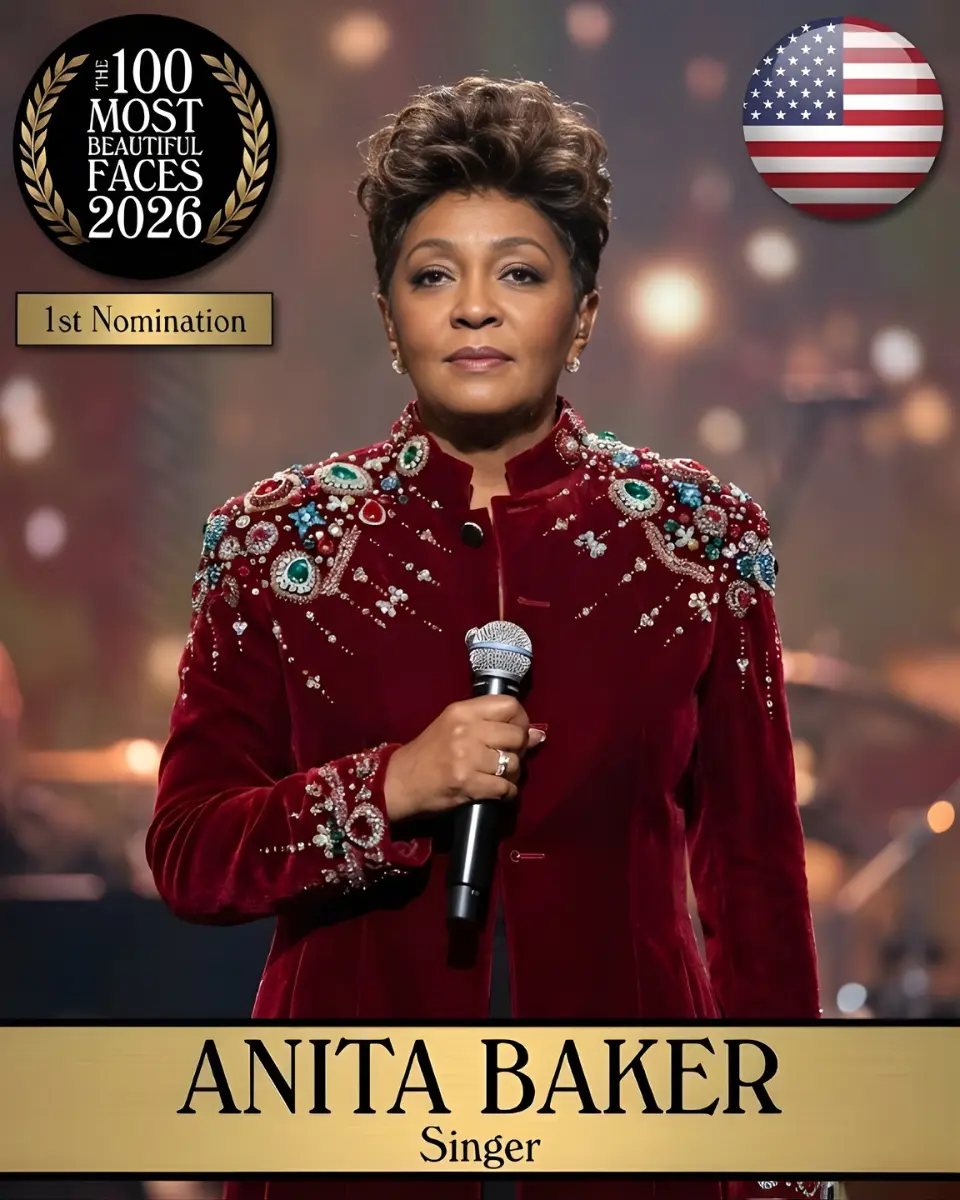
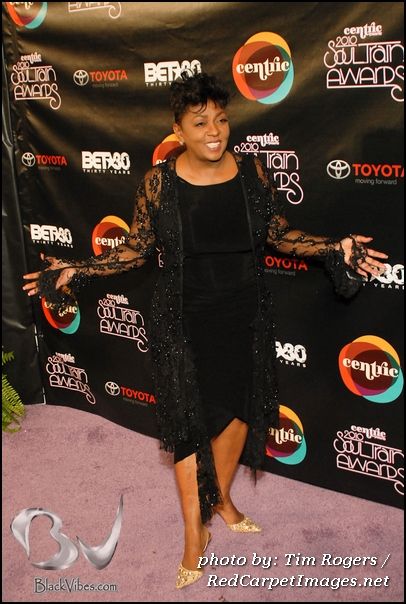
Anita Baker has revealed the “All-American Halftime Show,” and it’s not the concept that set the internet on fire — it’s the timing.
Not before kickoff.
Not after the game.
👉 LIVE during the exact Super Bowl halftime window.
Early chatter points to 32 legendary country and rock artists preparing for a simultaneous broadcast — not a counter-program, not a recap, but a deliberate face-off with the biggest TV moment of the year.
No billion-dollar pop spectacle.
No familiar corporate sponsors.
No algorithm-chasing formula.
Instead, a message-first alternative aimed at viewers who feel halftime lost its soul somewhere along the way. Supporters are calling it overdue. Critics say it’s reckless. Insiders are whispering the same phrase over and over:
“This is the riskiest move modern broadcast has ever seen.”
And the question flooding social media isn’t if it will air…
It’s what happens when two halftimes collide in real time.
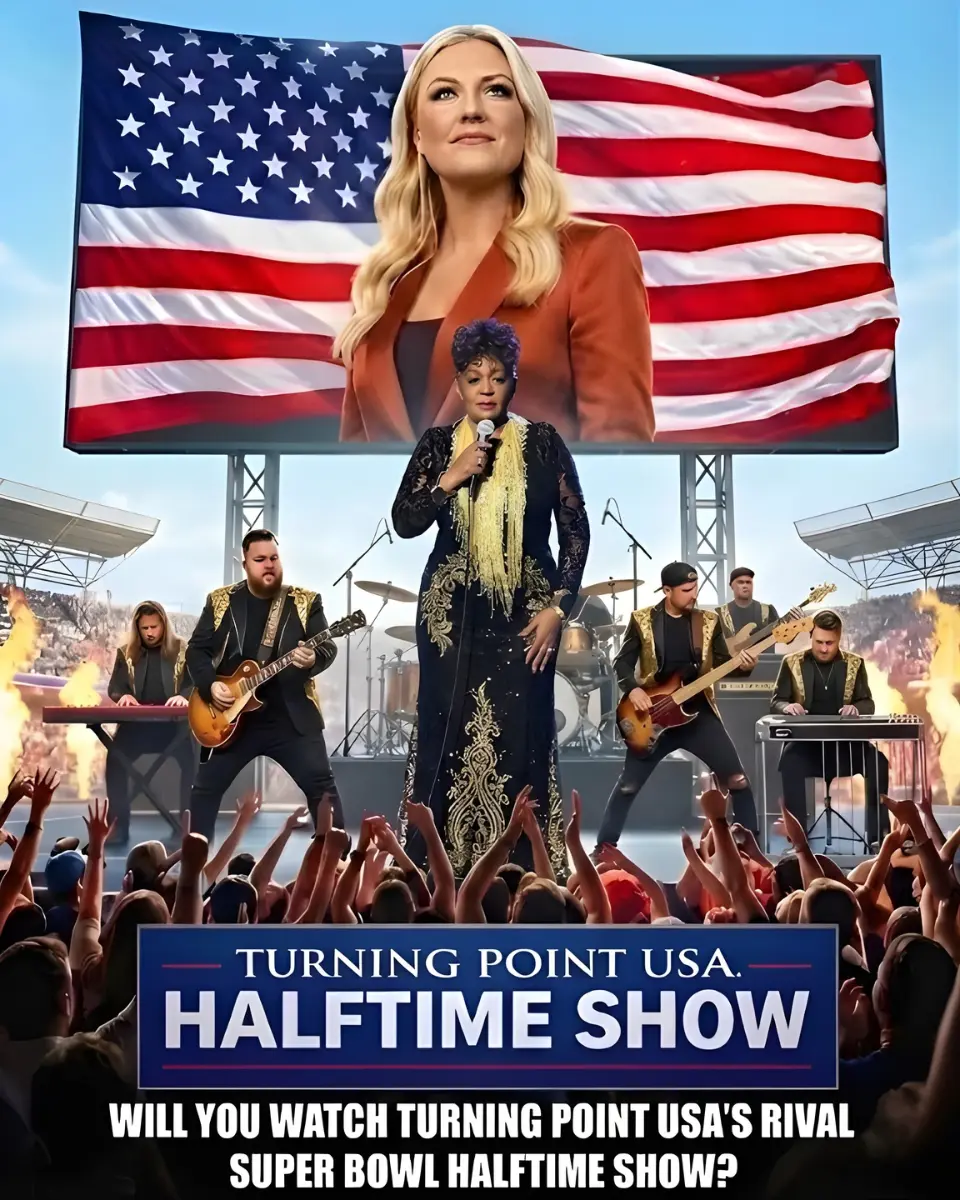
What has stunned both fans and industry veterans alike is not merely the audacity of the scheduling, but the figure behind it. Anita Baker is not known for chasing headlines, courting controversy, or inserting herself into culture wars. Her career has been defined by restraint, discipline, and an almost sacred devotion to musical integrity. That is precisely why this announcement has landed with such force. When an artist synonymous with elegance and emotional precision chooses confrontation over caution, the message carries weight.
For decades, Baker’s voice has represented a countercurrent to excess. In an era where spectacle often overshadows substance, she built a legacy on intimacy — controlled phrasing, deliberate silence, and performances that demanded attention rather than begged for it. To see her now step into the most crowded media moment of the year, not as a guest but as a challenger, has reframed the conversation around what halftime can and should be.
According to multiple insiders, the “All-American Halftime Show” has been in quiet development for months. There were no leaks, no teaser campaigns, no influencer countdowns. Those close to the project say that was intentional. Baker wanted the announcement itself to feel like a statement — sudden, unavoidable, and impossible to ignore. When the reveal finally dropped, it wasn’t accompanied by flashy visuals or brand partnerships. Just a name, a time slot, and a promise.
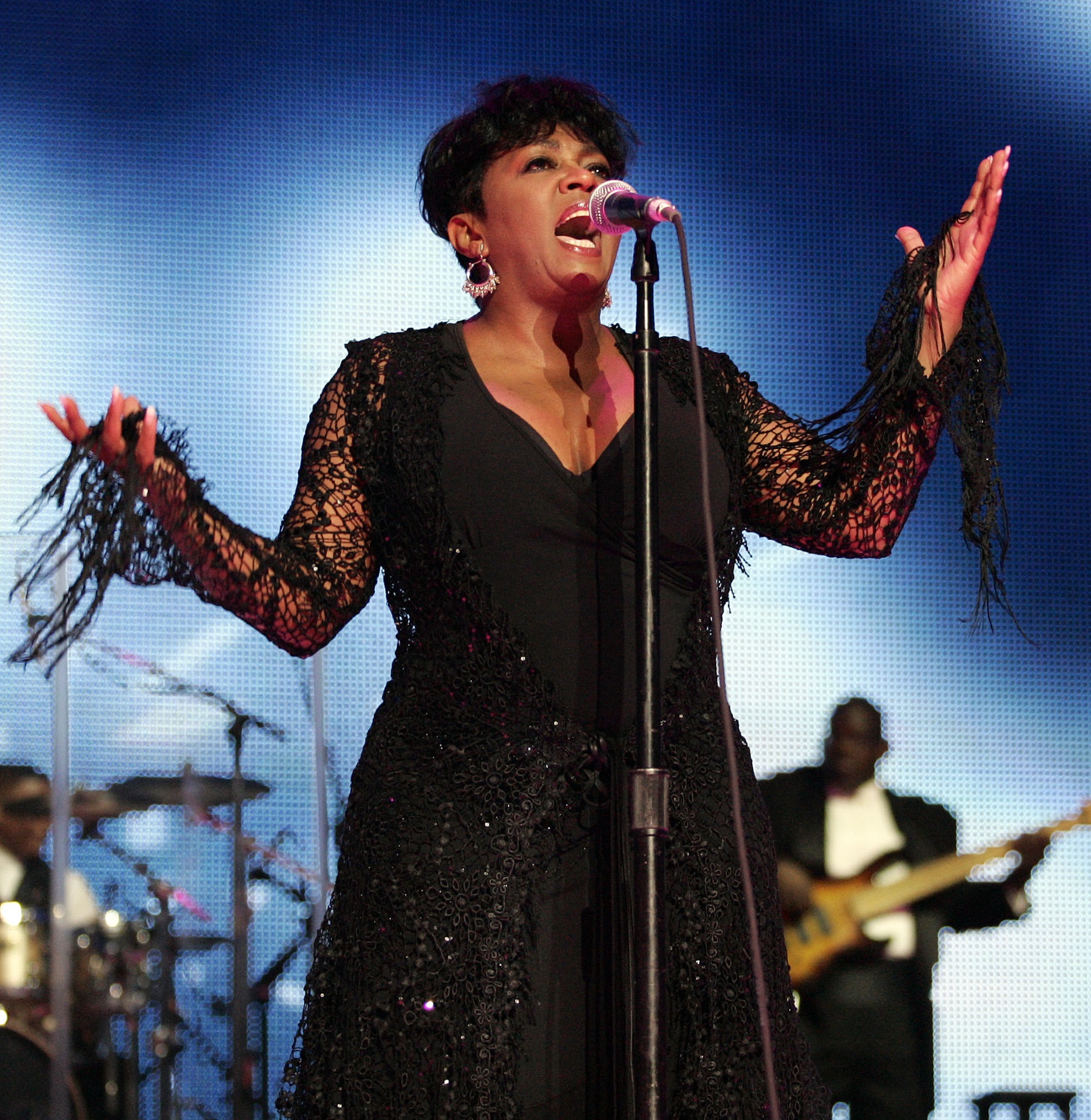
The rumored lineup, while still officially unconfirmed, reads like a living archive of American music history. Artists whose careers were built long before streaming metrics and viral hooks are said to be preparing a tightly coordinated broadcast that prioritizes live musicianship over polish. The goal, sources claim, is not to compete on volume or visual scale, but on emotional resonance — a reminder of what live performance felt like before it became optimized for screens.
Broadcast executives are reportedly divided. Some see the move as reckless, bordering on professional self-sabotage. The Super Bowl halftime show is not just a performance; it is a fortress of contracts, advertisers, and carefully managed expectations. Challenging it in real time introduces variables no network likes to quantify. Viewer fragmentation, advertiser backlash, technical strain — all are risks that traditionally keep alternatives safely outside the window.
Others, however, see opportunity. Halftime audiences are not monolithic. There is a growing segment of viewers who mute commercials, scroll through phones, or leave the room entirely once the spectacle begins. For them, the idea of a simultaneous, purpose-driven broadcast led by a voice they trust feels less like rebellion and more like relief. Early online sentiment suggests that many viewers are planning to watch both — screens split, attention divided, allegiance undecided until the first note is played.
What makes Baker’s involvement especially consequential is her credibility across generations. She is not an outsider lobbing criticism from the margins. She is an institution — a Grammy-winning artist whose catalog helped define modern R&B and whose influence stretches far beyond genre lines. When she signals that something fundamental has been lost, even skeptics are forced to listen.
Behind the scenes, the logistical challenge is immense. Synchronizing dozens of artists across multiple locations, ensuring broadcast stability, and maintaining production quality under the pressure of live competition is no small feat. Yet those close to the project insist that the risk is part of the point. This is not meant to be safe. It is meant to be honest.

There is also a symbolic dimension that has not gone unnoticed. By choosing the halftime window itself, Baker is rejecting the idea that alternative voices must accept secondary placement. The message is clear: meaningful art does not need permission to exist alongside mass entertainment. It can stand on equal footing — even if the outcome is uncertain.
As Super Bowl Sunday approaches, speculation continues to intensify. Will advertisers pull back or lean in? Will ratings fragment or surge? Will this moment mark the beginning of a new tradition, or remain a singular act of defiance? No one knows. What is certain is that the silence surrounding halftime complacency has been broken.
When two halftimes collide in real time, the result may not be a winner and a loser, but a reckoning. And at the center of it stands Anita Baker — calm, composed, and seemingly unafraid of the consequences. In an industry built on calculated risk, she has chosen conviction instead. Whether history remembers this as a turning point or a beautifully audacious experiment, one thing is already clear: halftime will never feel quite the same again.