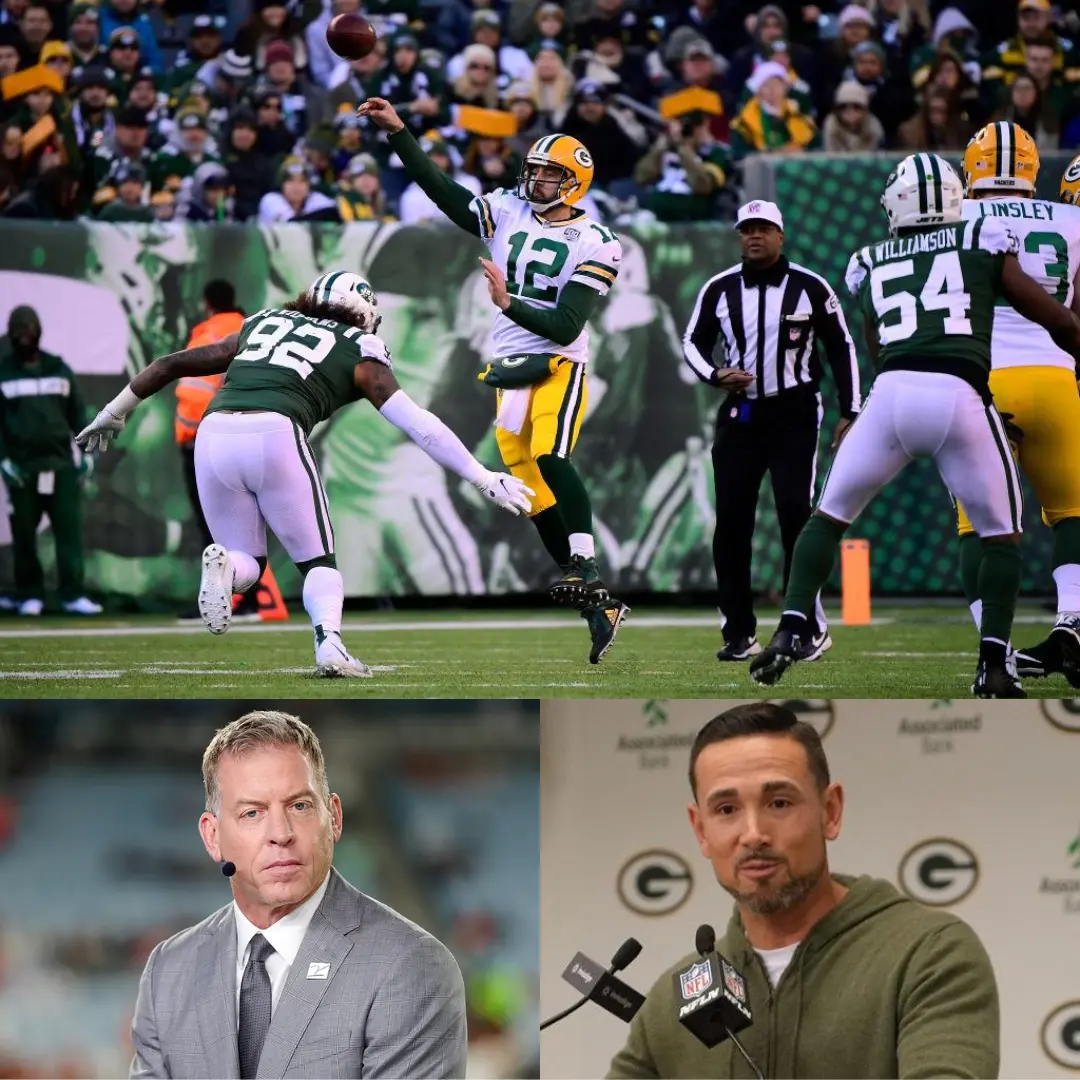
 Troy Aikman Sparks Firestorm After Packers’ 20–17 Win Over Jets
The Green Bay Packers’ 20–17 overtime victory over the New York Jets was supposed to be remembered for the dramatic finish, the swings in momentum and the tension that carried the game all the way into overtime.
Instead, the conversation quickly moved somewhere far more explosive.
In this fictionalized sports-media scenario, the biggest controversy of the night did not come from a touchdown, a turnover or a decisive play on the field. It came from the broadcast booth, where Troy Aikman allegedly delivered a furious assessment of Green Bay’s victory that immediately sent social media into a frenzy.
The Packers had survived a tightly contested battle against New York, eventually escaping with a 20–17 overtime victory. But according to the scenario circulating online, Aikman questioned whether Green Bay had truly earned the win.
His opening criticism was deliberately blunt.
“Let’s get something straight — that victory wasn’t earned. It was gifted.”
Those words immediately changed the tone surrounding the game.
Rather than focusing solely on the final score, the fictional broadcast narrative shifted toward the officiating, momentum swings and the individual moments that had allowed Green Bay to remain alive long enough to finish the game in overtime.
Aikman allegedly continued his criticism by arguing that Green Bay had benefited from fortune rather than consistently dominating the Jets.
“You don’t beat a team like the Jets with execution or discipline — you beat them with luck,” the fictional quote reads. “Green Bay lucked into that win. Lucked into the momentum. And frankly, it looked like they lucked into a little help from the officials too.”
The accusation immediately creates the central controversy of the story.
A close NFL game can be determined by a handful of plays. A penalty here, a missed opportunity there, one defensive stop or one offensive mistake can completely alter the final result. That is precisely why controversial officiating often becomes one of the biggest talking points following a dramatic finish.
In this fictionalized version of events, however, Aikman’s criticism went considerably further.
He allegedly questioned how New York could control stretches of the contest and still leave the stadium without a victory.
“Tell me how New York — a team that controlled long stretches — walks out of that stadium with a loss?” the fictional statement reads. “They played real football tonight. Green Bay played with fortune on their side.”
The statement transformed what had been a narrow overtime victory into a debate about legitimacy.
Was Green Bay simply the team that made the decisive plays when they mattered most? Or had New York done enough throughout the game to deserve a different outcome?
Those questions became the center of the fictional social-media storm.
Fans on both sides would naturally interpret the same moments differently. Packers supporters could point toward the plays that kept Green Bay alive and eventually produced the overtime victory. Jets supporters could focus on missed opportunities and controversial decisions that they believed changed the game’s direction.
And then came the line that, within the fictional scenario, supposedly pushed the controversy to another level.
“The officiating was embarrassing. The favoritism toward Green Bay was blatant — and the whole country saw it.”
That accusation would be far more serious than simply criticizing a missed call.
Questioning an individual decision is common in sports. Suggesting that officiating demonstrated favoritism raises an entirely differe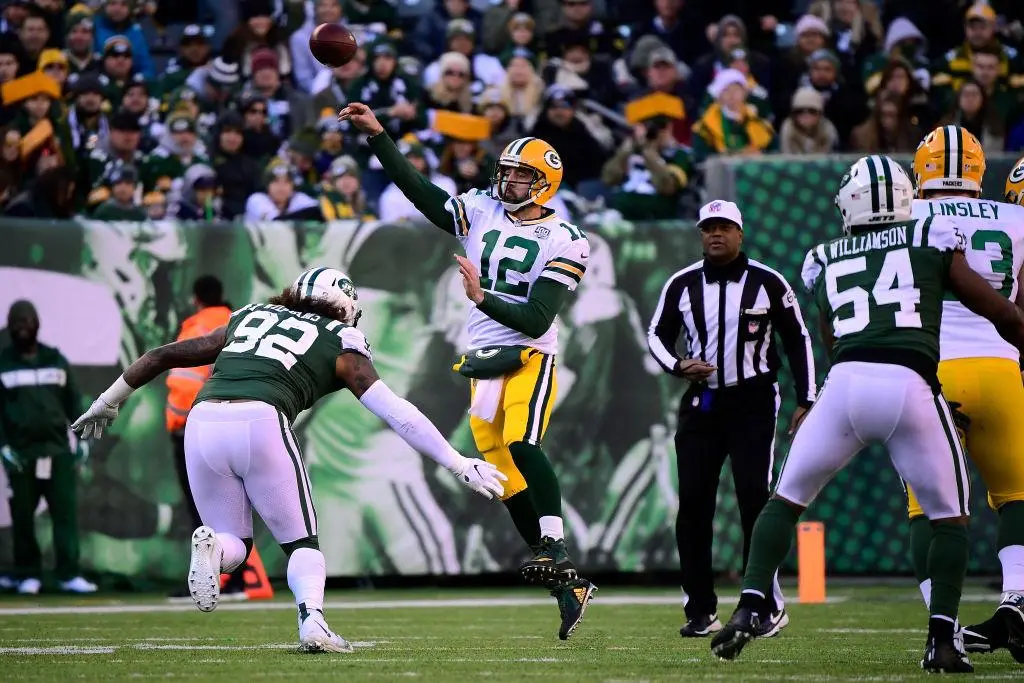 nt issue because it speaks to the perceived integrity of the competition itself.
For that reason, the fictional comments quickly become the centerpiece of the story.
The Packers, meanwhile, would have little choice but to answer questions about the controversy.
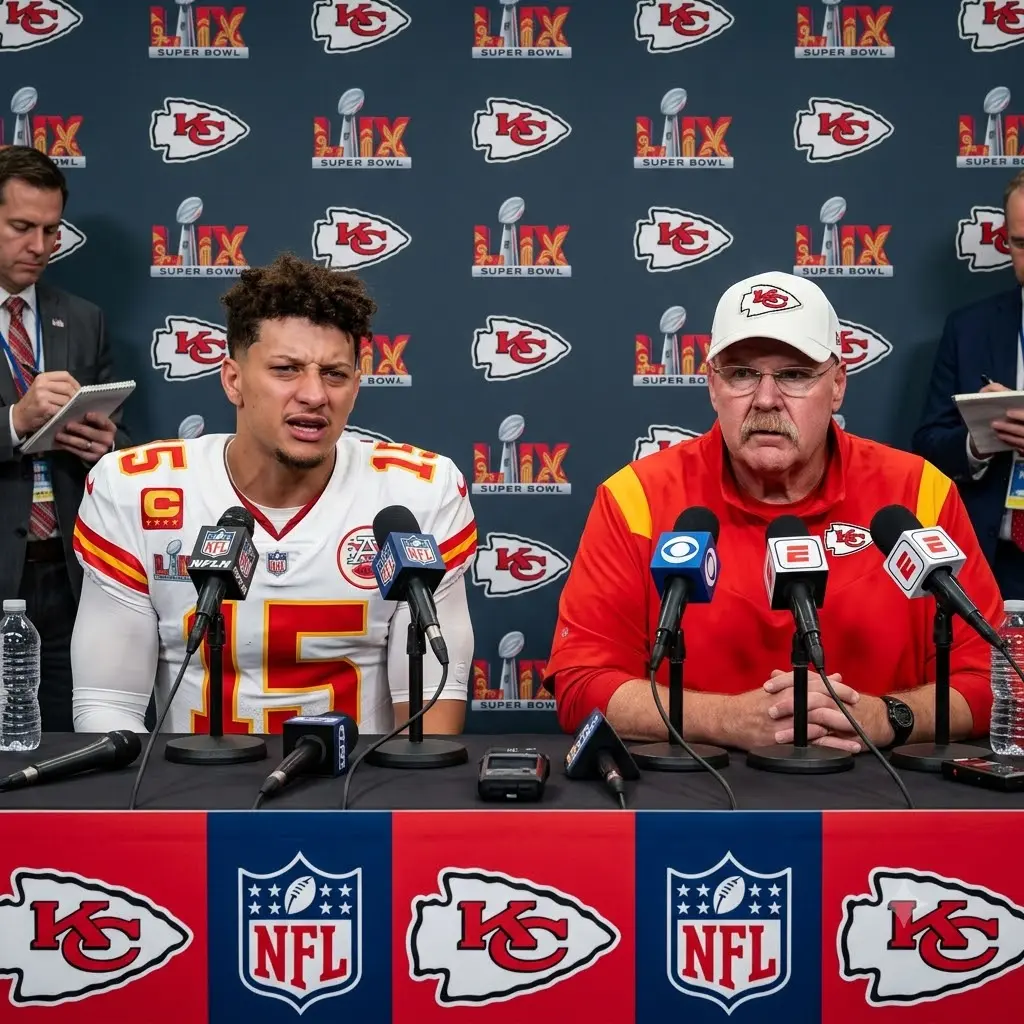
After a dramatic overtime victory, the postgame press conference would normally focus on execution, adjustments and the resilience required to finish the game. Instead, reporters in this scenario would immediately ask head coach Matt LaFleur about Aikman’s comments.
What happened next becomes the story’s dramatic turning point.
LaFleur reportedly walked to the podium with the Packers having just secured a 20–17 overtime victory. Rather than engaging in a lengthy argument, the fictional narrative portrays him as delivering a short response that instantly shuts down the controversy.
One sentence.
Eleven words.
And according to the storyline, that sentence would spread almost as quickly as Aikman’s original criticism.
The power of such a response would not necessarily come from its length. It would come from its restraint.
After an emotional overtime game, a coach has countless opportunities to defend his team. He can discuss individual plays, explain strategic decisions or challenge the criticism directly. But a short answer can sometimes create an even larger reaction because it leaves room for fans to interpret the meaning themselves.
That is what makes the fictional LaFleur moment so effective as a sports-media storyline.
The Packers had already survived the Jets.
Now they were being asked to survive the conversation surrounding the victory.
The fictional controversy also highlights how quickly modern sports discussions can move beyond the scoreboard. A 20–17 overtime result tells only part of the story. Within minutes, the focus can shift to officiating, coaching decisions, individual performances and television commentary.
Every replay can become evidence.
Every penalty can become a debate.
Every controversial moment can be clipped, reposted and interpreted thousands of different ways.
That environment makes postgame commentary enorm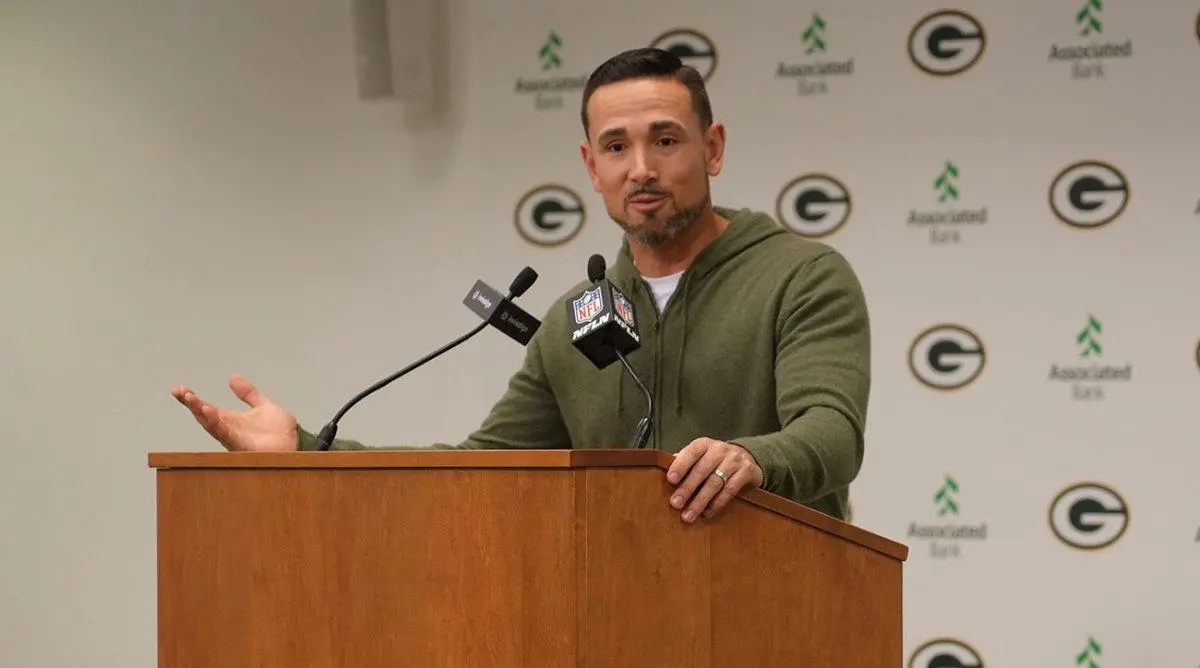 ously influential. A single sentence from a respected broadcaster can become the headline rather than the game itself.
That is precisely the tension at the center of this fictionalized Packers-Jets storyline.
Green Bay won.
New York lost.
But the debate did not end with the final whistle.
Instead, the fictional argument asks whether the Packers’ victory should be remembered primarily as a dramatic overtime escape or as a game surrounded by controversial officiating and disputed momentum swings.
There is also an important distinction between criticism and evidence.
A broadcaster questioning officiating does not, by itself, establish that officials favored one team. Determining whether particular calls were correct requires reviewing the individual plays, the applicable NFL rules and the official explanations available afterward.
That distinction would matter enormously if this were being discussed as a real game.
For the purposes of this fictional story, however, the 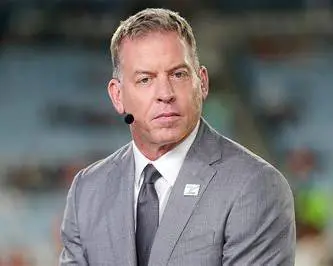 controversy is designed around perception: one side believes Green Bay earned its victory through the moments that mattered, while the other side believes New York controlled enough of the contest to deserve a different ending.
The overtime score becomes almost secondary.
The real drama comes from the argument surrounding it.
And that is why the fictional Aikman comments would become such a powerful hook for a sports story. The Packers’ 20–17 win provides the result, but the alleged criticism provides the conflict.
One team celebrates.
The other searches for answers.
A broadcaster questions the legitimacy of the result.
A coach responds with eleven carefully chosen words.
And suddenly, a football game becomes a national debate.
Ultimately, the fictional storyline is less about whether luck, execution or officiating determined the outcome and more about how quickly a close NFL game can transform into a battle over interpretation.
Green Bay has the victory on the fictional scoreboard.
New York has the argument.
And the controversy surrounding the 20–17 overtime finish becomes the story that refuses to disappear after the final whistle.
 ignificance.