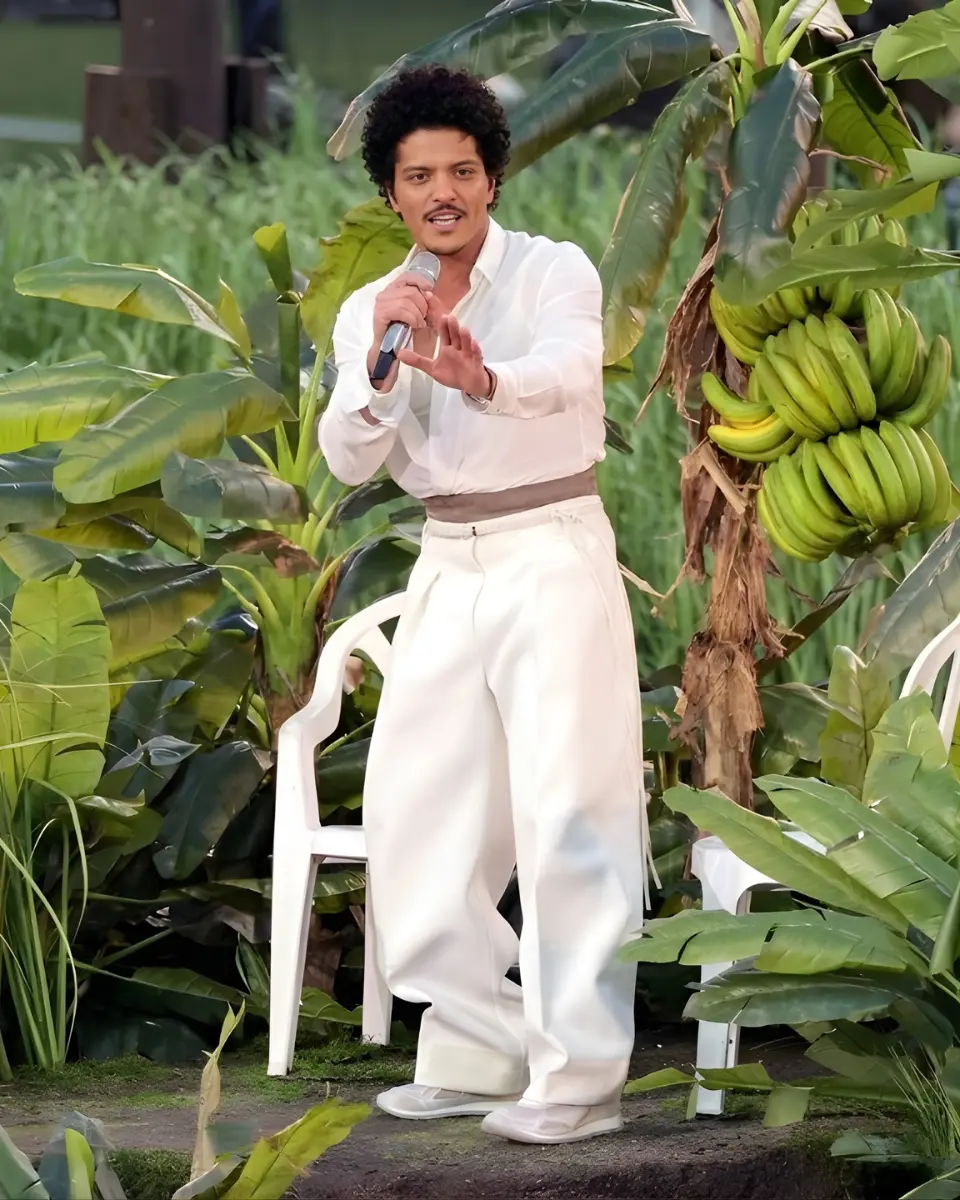
🚨 Super Bowl Shocker: Not Just Lady Gaga — Luke Bryan Makes a Surprise Appearance During Bad Bunny’s Halftime Performance
It wasn’t only Lady Gaga who joined Bad Bunny on the Super Bowl halftime stage. In a completely unannounced moment, Luke Bryan suddenly emerged and delivered a live vocal performance that sent the stadium into a frenzy. After months of speculation and rumors, Luke Bryan’s unexpected appearance became the biggest twist of the night, marking one of the most talked-about surprises in Super Bowl history and leaving fans across America stunned.
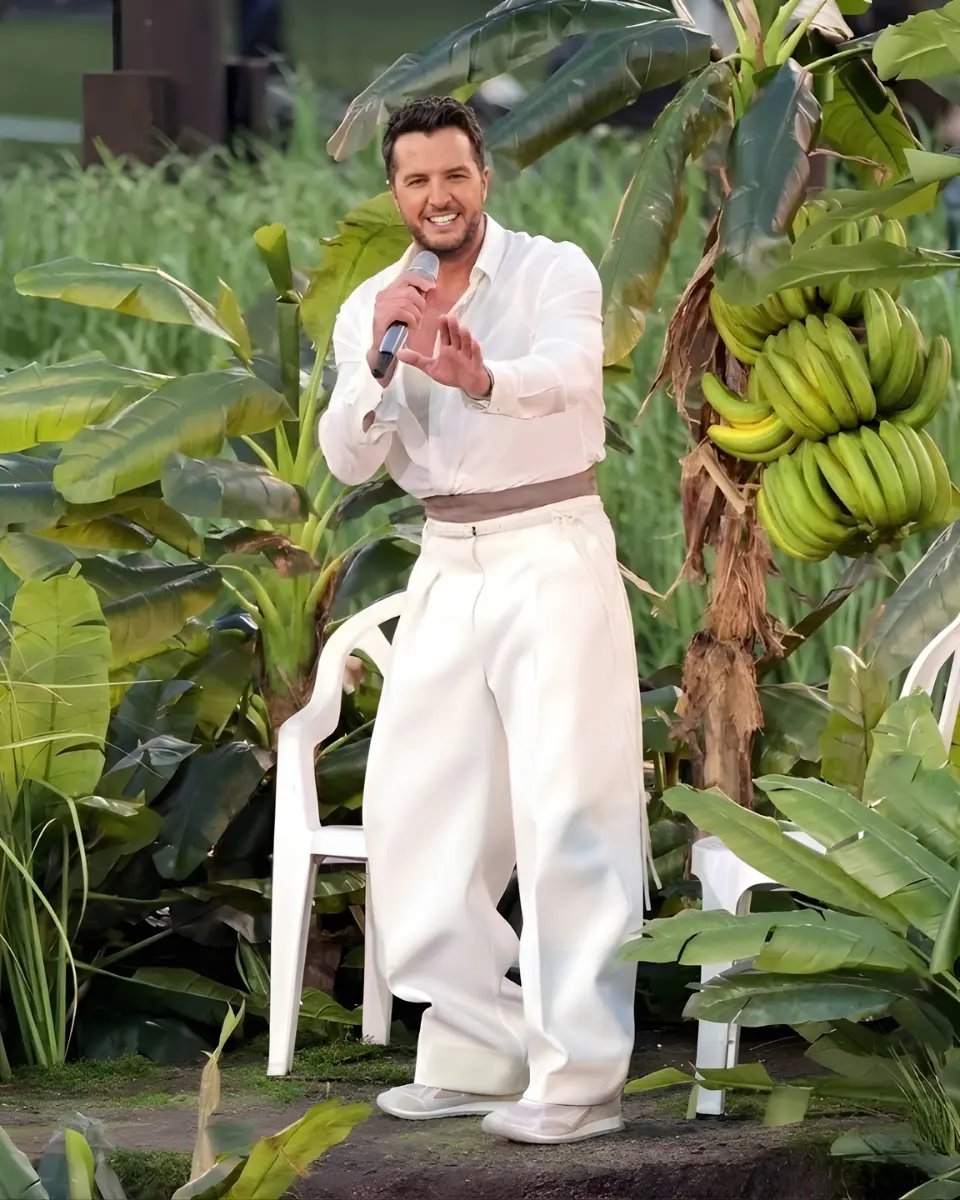
For a halftime show that had already promised spectacle, energy, and global star power, few expected the moment that would ultimately redefine the night to come from the sudden arrival of Luke Bryan. Known for his easygoing charm, arena-filling country anthems, and deep connection with American audiences, Bryan’s presence during Bad Bunny’s performance instantly shifted the emotional center of the broadcast. The camera cut to the crowd just as Bryan stepped into the light, revealing a mix of disbelief, excitement, and sheer shock rippling through the stands.
Until that moment, the narrative of the halftime show had revolved around Bad Bunny’s genre-blending performance and the previously revealed guest appearance by Lady Gaga. Gaga’s involvement had already fueled days of headlines, social media debates, and intense anticipation. Yet when Luke Bryan appeared, it became clear that the producers had been guarding a final card that no one outside a tight inner circle knew existed. The secrecy was total. No leaks. No backstage whispers. No last-minute clues for fans to decode.
Bryan’s entrance was understated by design. There were no dramatic pyrotechnics or extended buildup. Instead, he walked onstage with quiet confidence, microphone in hand, acknowledging the crowd with a nod that felt almost personal. As soon as he began to sing, the reaction was immediate. The stadium erupted, and within seconds, social media timelines exploded with disbelief. Clips of the moment spread at lightning speed, with fans asking the same question in disbelief: “Is that really Luke Bryan?”

What made the moment so powerful was not just the surprise, but the contrast. Luke Bryan represents a very specific strand of American music culture—rooted in storytelling, heartland imagery, and emotional accessibility. Bad Bunny, on the other hand, embodies a global, genre-defying movement that has reshaped pop music over the past decade. Seeing the two share the same halftime universe, even briefly, felt symbolic. It was a reminder that the Super Bowl stage remains one of the few places where musical worlds collide in real time, in front of more than a hundred million viewers.
Industry insiders later revealed that Bryan’s appearance had been discussed for months, then shelved, then quietly revived. The fear was not backlash, but expectation. Once rumors begin to circulate, surprise becomes impossible. By keeping Bryan completely out of promotional materials and rehearsal leaks, the production team preserved the raw impact of the moment. When he finally appeared, the reaction was not manufactured hype—it was genuine shock.
For Luke Bryan, the moment marked a significant cultural crossover. While he is no stranger to massive audiences, award shows, or nationally televised events, the Super Bowl halftime stage carries a different weight. It is not just a performance slot; it is a cultural checkpoint. Bryan’s decision to participate, even in a brief, unannounced role, signaled confidence in his ability to connect beyond genre boundaries. His vocals cut cleanly through the stadium mix, grounding the moment with warmth and familiarity amid the spectacle.

Fans quickly pointed out how comfortable Bryan looked onstage, despite the unconventional setting. There was no sense of intrusion or awkwardness. Instead, his presence felt intentional, almost inevitable in hindsight. In a year where the Super Bowl halftime show leaned heavily into diversity of sound and audience, Luke Bryan’s appearance served as a bridge—between country and pop, domestic and global, tradition and reinvention.
The reaction across America was immediate and intense. Within minutes, Bryan’s name began trending nationwide. Commentators praised the boldness of the move, calling it one of the most effective surprise cameos in recent Super Bowl history. Others focused on the emotional resonance, noting how the crowd’s energy visibly shifted when Bryan took the stage. It was not louder, necessarily—but deeper, more unified.
In the days following the game, analysts continued to dissect the moment. Some framed it as a statement about the evolving nature of American music, where rigid genre lines matter less than shared experience. Others saw it as a strategic masterstroke, leveraging Luke Bryan’s broad appeal to reach viewers who might not typically connect with a Bad Bunny-led halftime show. Whatever the interpretation, the conclusion was the same: the surprise worked.
For Luke Bryan, the appearance added another defining chapter to a career built on connection and consistency. He did not overshadow the headliner. He did not attempt to steal the spotlight. Instead, he amplified the moment by being exactly who he is—authentic, confident, and deeply in tune with his audience. That restraint, paradoxically, is what made the surprise so unforgettable.
As the dust settles on this year’s Super Bowl, one image remains etched in the collective memory: Luke Bryan stepping into the halftime spotlight without warning, voice steady, crowd roaring, and an entire nation realizing that even on the biggest stage in American television, there are still moments capable of genuine surprise.